
The Importance of Routine Sump Pump Maintenance
Regular sump pump maintenance ensures your drainage network activates precisely when needed. Plumbing systems across Ohio handle massive water volumes during spring storms and winter snowmelts.
Taking time to clear the pit and test key components twice a year ensures groundwater is pumped safely away from your foundation walls. Catching worn seals, electrical faults, or minor alignment issues early saves money and preserves the integrity of your home.
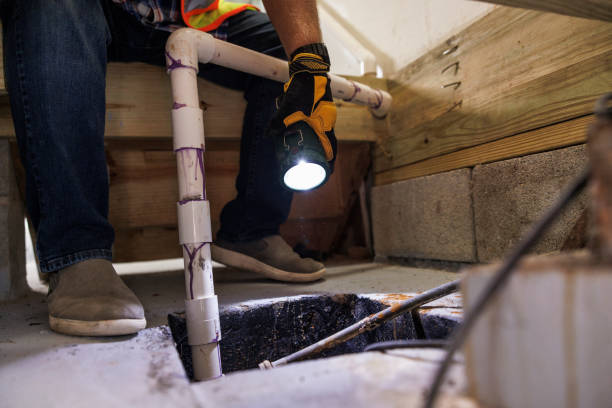
Step-by-Step Guide: How to test a sump pump
Knowing exactly how to test a sump pump gives you peace of mind before severe weather arrives. You do not need specialized tools to verify your system works properly. Follow these steps to conduct a proper function test:
- Check the Power Source: Confirm the unit is plugged directly into a dedicated Ground Fault Circuit Interrupter (GFCI) outlet. Ensure the electrical cord shows no signs of wear.
- Inspect the Pit Basin: Clear out any gravel, mud, or debris from the collection pit that could jam the impeller.
- Simulate Groundwater: Slowly pour a five-gallon bucket of water directly into the pit to raise the water level naturally.
- Observe the Float Switch: Ensure the float rises freely as the water level increases. It must not catch on the side of the pit or the vertical discharge pipe.
- Verify Motor Engagement: Once the float triggers the internal switch, the motor should activate immediately, pump out the water rapidly, and shut off smoothly when the pit is empty.
- Check the Discharge Line: Walk outside to verify water exits the exterior discharge pipe freely and flows away from your foundation without pooling.

Monitoring Cycles: How often should a sump pump run?
Understanding how often a sump pump should run helps gauge your equipment’s overall health. During normal dry weather, your system should rarely activate unless your property rests over a high water table.
During active rainfall, a pump may run every few minutes to manage incoming groundwater. Conversely, continuous rapid cycling every 10 to 30 seconds usually signals an underlying mechanical issue, such as:
- A faulty check valve allowing pumped water to flow backward into the pit.
- An undersized pump struggling against excessive water volume.
- A stuck float switch holding the electrical contacts closed.
- Poor exterior yard grading directing surface rainwater back toward your foundation.
If your pump runs continuously during dry conditions, turn off power to the unit and schedule a professional inspection to prevent the motor from burning out.
Equipment Lifespan: How long do sump pumps last?
Knowing how long sump pumps last helps you plan for proactive replacement before a basement emergency occurs. Under standard residential conditions, a quality submersible or pedestal pump lasts between 7 and 10 years.
Several operational variables directly impact this lifespan:
- Frequency of Use: Pumps installed in low-lying areas with high groundwater tables run more often, leading to faster mechanical wear.
- Build Quality: Heavy-duty cast iron housings generally outlast lighter plastic models.
- Power Stability: Frequent electrical surges can damage sensitive internal wiring or float switch relays over time.
Installing a battery backup unit alongside your primary pump provides reliable secondary protection and extends your home’s security during severe storms when municipal power outages occur.
Keep Your Basement Dry with Advanced Plumbing
Taking proactive care of your drainage system keeps your home structurally sound year-round. If your equipment fails a simple water test or is nearing the end of its typical lifespan, prompt professional attention is the best course of action.
Need assistance with your basement drainage setup? Contact Advanced Plumbing today to schedule a comprehensive inspection, maintenance service, or system replacement.